Do Animals Dream? What Science Says
Ever wish you could peek into your beloved pooch's mind while he snoozes? You're not alone. Scientists are investigating how animal dreams can give us glimpses into their consciousness. While we may not know the intricate details of an animal's dreamscape, studying animals' brain activity suggests they have complex dreams, much like we do!
What Do Animals Dream About?#
Dreaming seems universal, from your pet by your side to the wildest animals. Animals dream about what's important to them, driven by instincts, memories, and emotions. Their dreams often reflect their waking experiences. So, yes, your dog is likely dreaming of going for a walk with you.
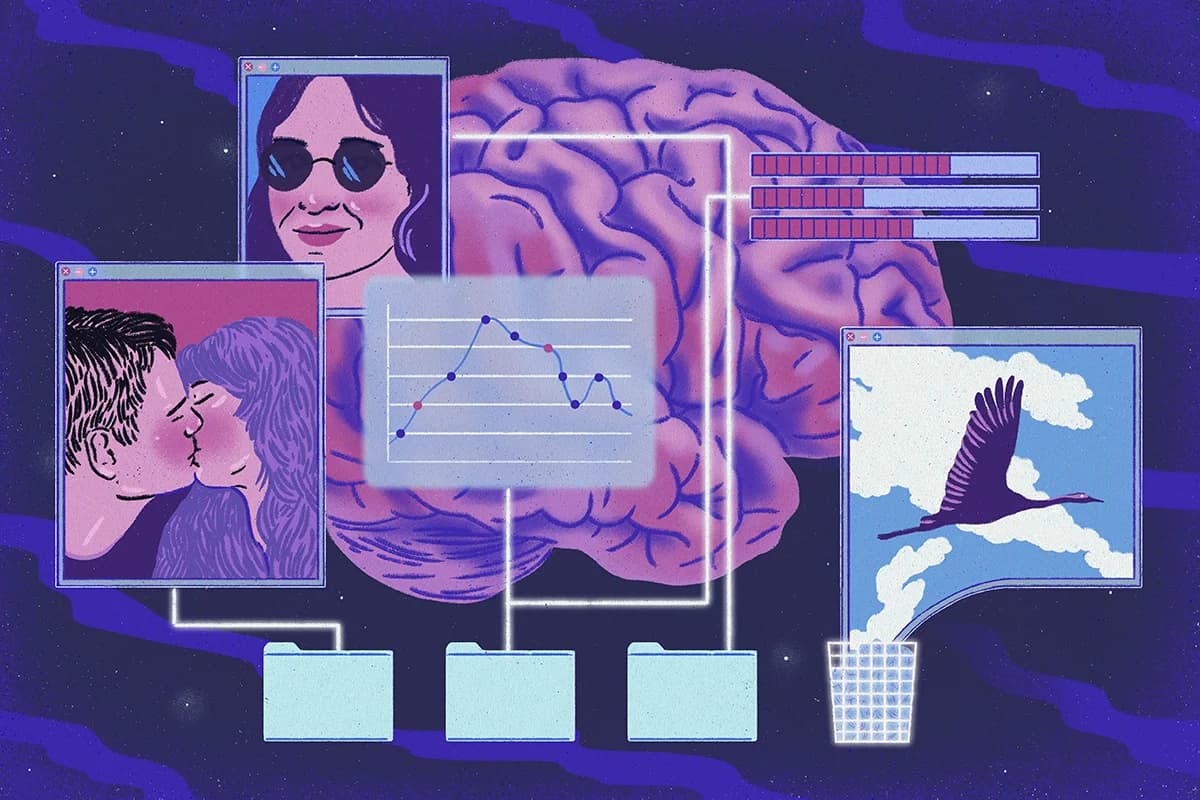
The rat evidence is the most precise we have. Researchers recorded dozens of neurons in the rat hippocampus while the animal ran a track, then kept recording while it slept. During REM sleep, the same sequences of cells fired again, in the same order, at roughly the same speed as the original run. The match was close enough that you could look at the sleeping brain and say where on the track the rat currently "was". Even the theta rhythm that shifts with the animal's behaviour was reproduced.[1]
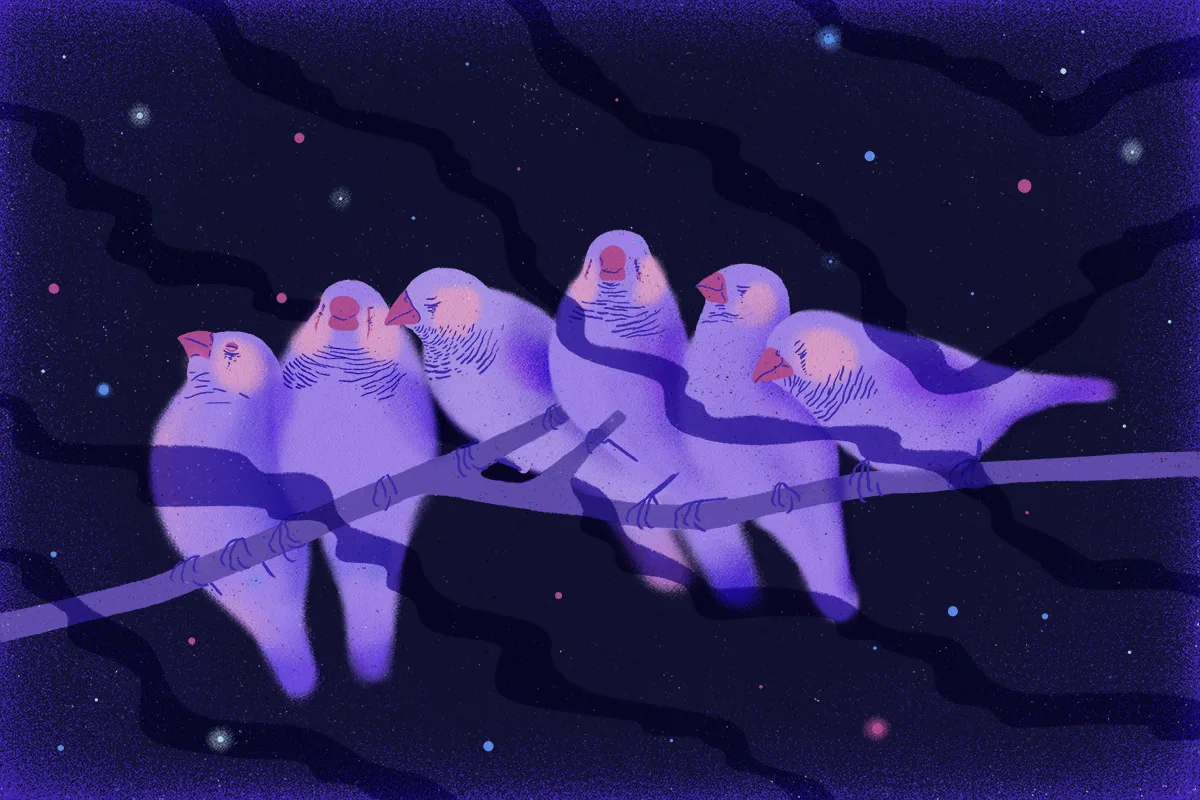
Zebra finches do something comparable with song. In a motor region of the adult finch brain, the pattern of activity triggered by playing a recording of its song during sleep matched the pattern from actually singing it while awake. The birds also produced this activity spontaneously overnight, with no sound playing: a genuine replay of the song they were learning.[2]
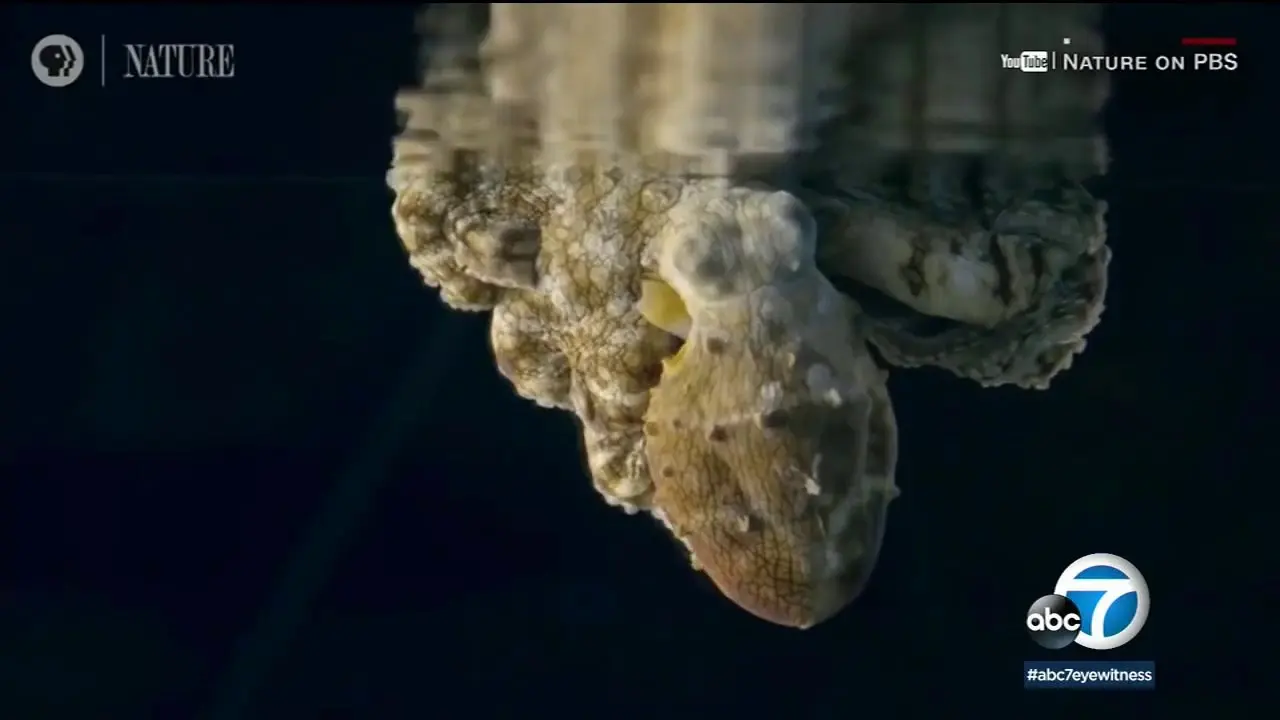
Elsewhere, spiders twitch and show rapid eye movement, possibly indicating they dream of weaving.[3] Octopuses take the cake: every 60 minutes or so, as they enter active sleep, they turn into color-changing kaleidoscopes.[4,5] Their distant cousin the cuttlefish does something similar. A study of Sepia officinalis found quiet periods that were homeostatically regulated, the standard test for real sleep, plus a separate state with darting eyes, shifting body colour and twitching arms that may be a rough analogue of REM.[6]
Even insects are in the picture. Honeybees given a familiar scent during deep sleep, the same scent that was present while they learned a task, performed better the next day. The same scent while awake did nothing, and an unfamiliar scent did nothing. Sleep-dependent memory consolidation, in a bee.[7]
When Do Animals Dream?#
Animals, like humans, have different sleep stages. We hope that by studying these stages and their relationship to dreaming, we can unravel how we sleep compared to other species. One day, the quality of sleep for all species will be improved.
During NREM sleep, animals experience slow brain waves and reduced muscle activity. This phase is linked to deep relaxation and processes like tissue repair. While animals can dream during NREM, REM sleep typically involves more dreaming. Research on various mammals showed that diet, age, size, and environment all impact their sleep needs. For instance, we know that carnivores need the most sleep, omnivores less, and herbivores the least.[8] Babies across categories required more sleep than adults and the bigger the animal, the more time they need to graze and the less they need to sleep.
REM sleep involves heightened brain activity, vivid dreams, and muscle paralysis.[9] It's vital for memory consolidation and cognitive development in animals and humans. Various species exhibit different REM patterns, with characteristics, duration, and distribution variations.
For example, mammals, like dogs, cats, and primates, experience REM sleep like humans. During this stage, they often dream, vocalize, and move. Some birds, like the Common Swift, can sleep and dream while flying! Swifts can stay in the air without landing for up to 10 months, so their REM cycles have evolved to be only 10 seconds long.
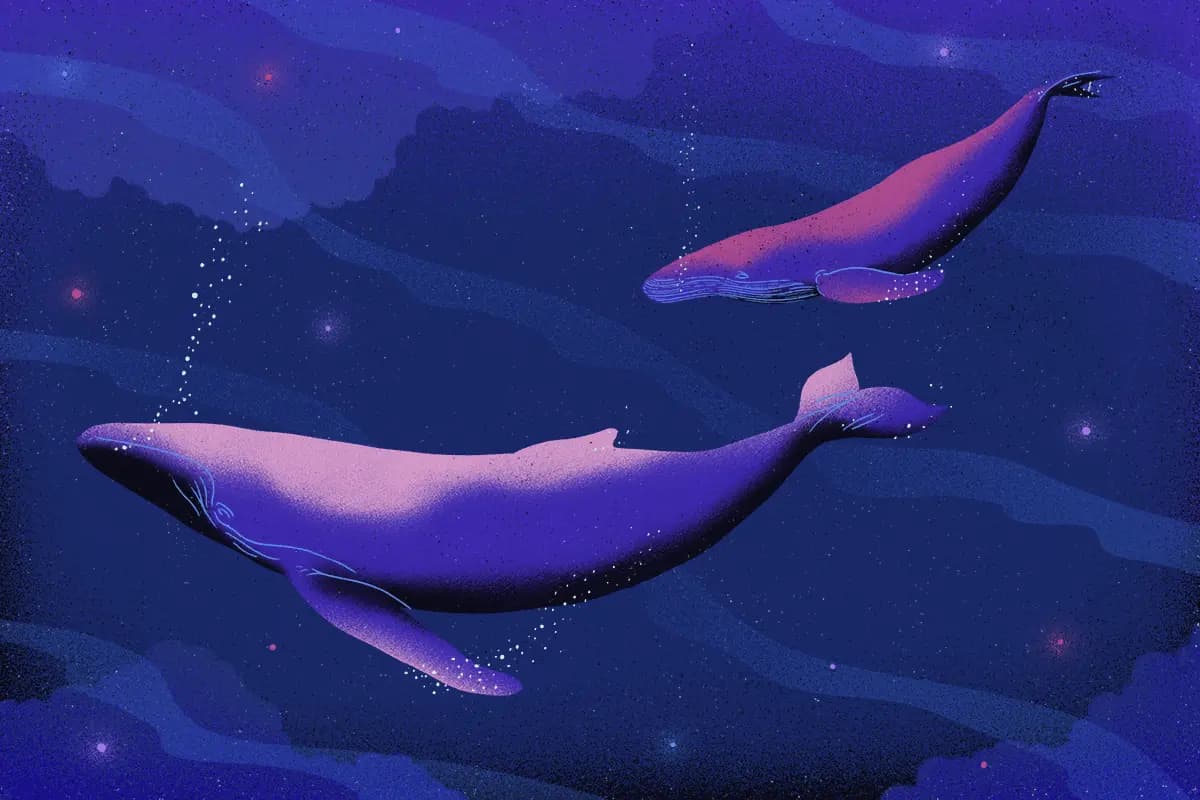
Another evolutionary marvel we see is in marine mammals such as dolphins and whales. These creatures engage in unihemispheric slow-wave sleep - where only one hemisphere of the brain sleeps at a time. This partial shutdown of their brains allows them to come up for air while resting. Despite this unique sleep pattern, they still experience REM sleep and consequently dream.
How Do We Study Animal Dreams?#
Researchers use electroencephalography (EEG), neuroimaging, and behavioral observations. These methods help scientists understand animals' brain activity and behavior during sleep without needing to speak the same language.
The cats that acted out their dreams#
The most vivid evidence in the whole field is also the oldest. Normally your body is paralysed during REM sleep, which is what stops you performing your dreams. In a series of experiments, small lesions to a region of the brainstem in cats switched that paralysis off, leaving the rest of REM sleep intact.
The cats got up. Still asleep, they stalked, pounced, arched their backs and swiped at things that weren't in the room. The behaviour depended on exactly where the lesion was, and it was largely unresponsive to what was actually happening around them, which is precisely how human dreams behave.[10]
It's the closest anyone has come to watching an animal's dream from the outside. The researchers were careful about what it proves, though: it tells us a great deal about the machinery underneath dreaming, and nothing at all about what the cat experienced.
Observations of animal dream behaviors offer intriguing insights into their cognitive processes. In dogs, neural activity suggests that even during deep sleep, they remain responsive to sounds like speech or barks.[11] Cats exhibit REM activity primarily focused on immediate sensory processing (making it unlikely that your cat dreams about taking over the world).
Like us, primates display complex dreams and even facial expressions while asleep. Humans do it too, which gives us a rare point of comparison: when researchers filmed 100 sleeping adults with muscle sensors on the face, 8% smiled in their sleep, almost all of it during REM.[12] Among people with REM sleep behaviour disorder, who don't have normal REM paralysis, half smiled and a third actually laughed. A sleeping face is not a blank one, in us or in them. However, we sleep less than other primates, averaging seven hours compared to their 9.55 hours. This may be because we had to protect ourselves from predators by social bonding and must be creative and awake to form relationships.
Studying animal dreams helps researchers understand how animals think and feel. This is important for animal behavior, neuroscience, and conservation. Moreover, understanding animals' dreams helps us appreciate the natural world's complexity and richness.
Does An Animal's Environment Impact Their Dreams?#
An animal's sleeping environment significantly shapes the quality of its sleep. Therefore, habitat type, social interactions, and captivity conditions profoundly impact an animal's dream experiences.
An animal's habitat affects its dream diversity. Natural habitats give diverse dream experiences because of diverse daily activities. In contrast, animals in captivity have limited dreams and disrupted sleep patterns due to artificial lighting, noise pollution, restricted space, and boredom.
Social interactions shape an animal's emotions and relationships, affecting dream content. Both social and solitary animals in captivity experience increased stress and wacky dreams if they don't receive social stimulation.
Enclosure size, enrichment opportunities, and human interaction affect sleep quality and dream experience. Animals in small, barren enclosures have limited natural behaviors and a poorer dream experience. That said, we are not all bad for animals. Animals that help in training programs or educational outreach have richer dreams. These interactions reduce stress levels and promote feelings of security and contentment.
Environmental enrichment, such as puzzle feeders and climbing structures, improves the quality of life for captive animals. By mimicking natural habitats and providing sensory experiences, we can enrich their daily stimuli. Environments with vegetation, scent trails, and novel objects encourage exploration, problem-solving, and species-typical behaviors. Since animals dream about what matters to them and what happens on a daily basis, these interventions help create sweeter dreams.
Why Is It Important For Us To Know What Animals Dream About?#
Studying animals can help expand our understanding of the evolution of dreaming. If we understand sleep, memory, and dreaming across different organisms, we could develop better ways to learn and remember information, leaving us better rested and smarter.
Understanding memory consolidation and sleep across species has the potential to create better treatments for many disorders, including amnesia, Alzheimer's, insomnia, and parasomnias. It would also allow us to gain insight into their cognitive abilities, meaning you could get to know what your beloved pet is dreaming, and we could improve animal rights and farming practices.
Conclusion#
Animal dreams offer a captivating glimpse into the inner worlds of our furry companions and wildlife. Influenced by their lives and instincts, these dreams hold profound insights, and understanding them enriches our connection with the natural world. From memory mysteries to potential treatments for disorders. In exploring the question, "Do animals dream," we unlock the potential to understand all species on a deeper level. So, next time your pet snoozes, take a moment to ponder their intricate dreamscapes, for within them lies a world of wonder. And if their dreamscapes leave you curious about your own, recording them each morning in a dream journal app is the easiest place to start.
If you are fascinated by the world of dreams, you are in the right place. Start exploring your dreams in the Oniri App for free.



Kaynaklar ve referanslar
Bu yazı yayımlanmış araştırmalara, hakemli çalışmalara ve güvenilir kitaplara dayanıyor. Daha derine inmek istersen aşağıdaki kaynaklara göz at.
[1]Temporally structured replay of awake hippocampal ensemble activity during rapid eye movement sleep
Louie, K., & Wilson, M. A. · 2001
Neuron, 29(1)
[2]Song replay during sleep and computational rules for sensorimotor vocal learning
Dave, A. S., & Margoliash, D. · 2000
Science, 290(5492)
[3]Regularly occurring bouts of retinal movements suggest an REM sleep-like state in jumping spiders
Rößler, D. C., et al. · 2022
PNAS, 119(33)
[4]Cyclic alternation of quiet and active sleep states in the octopus
De Souza Medeiros, S. L., et al. · 2021
iScience, 24(4)
[5]Octopus dreaming
Nature on PBS (YouTube)
[6]A preliminary analysis of sleep-like states in the cuttlefish Sepia officinalis
Frank, M. G., et al. · 2012
PLOS ONE, 7(6)
[7]Context odor presentation during sleep enhances memory in honeybees
Zwaka, H., et al. · 2015
Current Biology, 25(21)
[8]Clues to the functions of mammalian sleep
Siegel, J. M. · 2005
Nature, 437(7063)
[9]Dreaming and the brain: from phenomenology to neurophysiology
Nir, Y., & Tononi, G. · 2010
Trends in Cognitive Sciences, 14(2)
[10]Mechanisms underlying oneiric behaviour released in REM sleep by pontine lesions in cats
Morrison, A. R. · 1993
Journal of Sleep Research, 2(1)
[11]Animals have complex dreams, MIT researcher proves
2001
MIT News
[12]Smiling asleep: a study of happy emotional expressions during adult sleep
Clé, M., et al. · 2019
Journal of Sleep Research, 28(4)

Written by
Editor
Megan is a freelance writer and editor who covers dreams, sleep, and mental health for Oniri. She studied humanities at Stellenbosch University and also writes in wellness, conservation, and food. Find her on LinkedIn.

Reviewed by
Founder of Oniri
Jean-Baptiste founded Oniri and researches dreams, lucid dreams, creativity, and AI. He collaborates with the Sleep and Cognition Neuroimaging Laboratory in Geneva and is invested in different studies about lucid dreams and the intersection of dreams and AI, including a paper in the Journal of Sleep Research on cathartic dreams.
Share this article