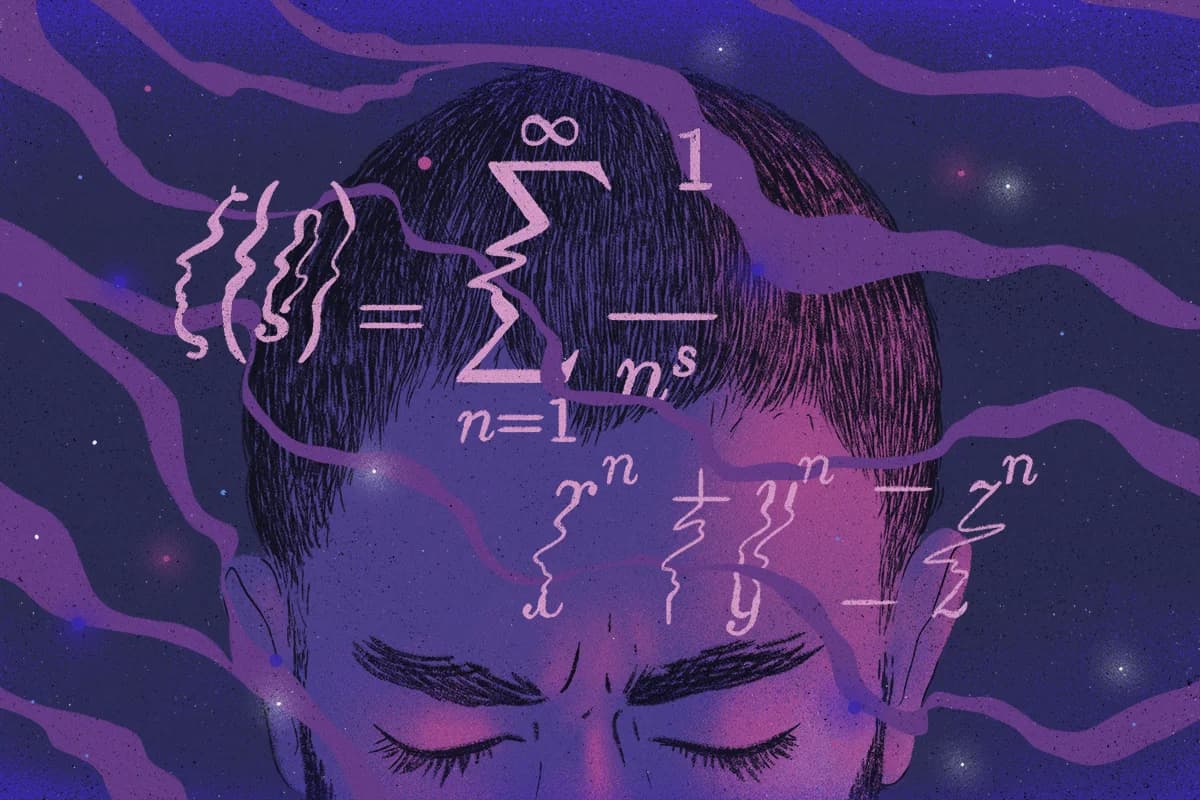
5 Benefits of Dream Analysis You Might Not Know
Have you ever wondered what your dreams are trying to tell you? Dreams can seem like random scenes, but they're actually windows into your subconscious. Despite their mysterious nature, dreams often hold valuable insights into our minds that we cannot access while awake. The benefits of dream analysis extend far beyond mere amusement. Interpreting your dreams can reveal hidden truths, fuel personal growth, and promote emotional healing. Learning to interpret your dreams harnesses these specific benefits to enhance your life. This article explains what analyzing your dreams means, how you can begin interpreting your dreams, and how this fascinating practice can help you thrive.
What is Dream Analysis?#
Simply put, dream analysis is a structured psychotherapeutic method for finding the meaning of dreams. While we have sought the meaning behind our dreams for centuries, psychoanalyst Carl Jung really got us thinking about the benefits of dream analysis. His method involves interpreting the symbols, emotions, characters, settings, and events in your dreams to construct their deeper meanings.
During a typical Jungian dream analysis session, a therapist would help you explore your dreams till you find what they might mean for you. Together, you would discuss how your dream content connects to your life while they look for patterns in your dreams and beliefs to reveal hidden parts of your personality. But do you really need a therapist to decode the language of your dreams? Sometimes, a trained hand is very useful. But truthfully, you can start unlocking a deeper understanding of your inner psyche today. All by yourself.
How to Analyse Dreams#
No dream is universal; each holds personal significance to the dreamer. While dream dictionaries help provide initial ideas, true interpretation lies within your own consciousness. It's a journey of patience, practice, and open-mindedness. Since each dream is unique to you, it's crucial only to depend a little on others' interpretations. You want to logically and structurally interpret your dreams to gain real benefits.
Here are a few pointers on where to start with dream interpretation:
- Keep a dream journal: Write down everything you remember about your dreams, including feelings and any significant symbols.
- Look for patterns: Identify recurring themes or symbols in your dreams.
- Interpret symbols: Reflect on what these symbols might represent in your waking life.
- Connect dream content to real life: Relate your content to your daily experiences, stresses, and emotions.
- Share with friends: If you're having trouble interpreting your dreams, consider consulting a friend who knows you well to help bounce possible meanings off them. This one has a side effect worth knowing about: telling someone your dream measurably increases how much empathy they feel toward you.[1] More on that below.
We have written a more detailed guide on How to Interpret Your Dreams to make it easy for you to start. This article explores how to learn to interpret dreams and use dream dictionaries. Once you have understood your dreams, you can begin exploring the fantastic benefits they offer.
Five Benefits of Dream Analysis#
Does any of this hold up? The honest answer is that the evidence base is small but it exists, and it points the right way.
The most direct test asked whether working on a dream produces more insight than working on something that actually happened. Participants brought a recent dream to a structured group session, and separately brought a recent waking event to a session run the same way. Insight ratings were high for the dream in both methods tested, and for one of them, insight from the dream was significantly higher than from the real event.[2] Small samples, around ten people per method, so hold it loosely. But it's the right experiment, and the dream won.
Dream work is also not a fringe activity. It has its own body of outcome research in psychotherapy, with established models, measurable results, and studies of who benefits from it and which parts of a session they rate as most useful.[3,4] With that as background, here are five benefits worth knowing about.
-
Self-Discovery and Personal Growth
The benefits of dream analysis as a tool for self-discovery are hard to overstate. By interpreting your dreams, you uncover hidden aspects of your personality and understand your subconscious motivations. This self-awareness can lead to significant personal growth. For example, a recurring dream about being chased might reveal underlying anxiety and feelings of being pursued by something you are afraid to confront, such as a fear of failure, rejection, or the unknown.
Dissecting these dreams can help you pinpoint where to start addressing this stress by pulling your attention to the areas in your life that need it the most. You can achieve a more integrated sense of self by recognizing underlying emotions and addressing unresolved issues. This holistic understanding can lead to profound personal growth, making you more resilient and self-aware.
-
Problem-Solving
Since dreams often reflect the challenges you face while awake, analyzing them can help you gain a fresh perspective and discover creative solutions for deeper, older issues. For instance, a dream about losing your way before a new job interview might indicate that you feel lost in your career. Understanding this can help you take steps to calm your anxiety before your interview and gain clarity on your path.
Dreams can serve as a cognitive playground where your mind works through problems without the constraints of waking logic. By paying attention to the scenarios and symbols in your dreams, you can unlock creative ways to tackle obstacles in your real life.
-
Emotional Healing
Dreams bring unresolved emotions to the surface, allowing you to release them. The usefulness of dreams has been recognized and used as part of many other theories, including Gestalt therapy, cognitive behavioral therapy, and existential art therapy, for its emotive healing power. Making dreams and their meaning a potent tool for working through trauma and emotional pain. Emotional healing through dream interpretation involves confronting and resolving deep-seated issues.
When you dream, your subconscious mind can revisit and play out past events and emotions while you remain asleep in a safe place to process them. For example, dreams about past relationships can help you understand and move on from lingering feelings.
By addressing these issues, dreams can alleviate emotional burdens and foster a sense of inner peace. This ongoing emotional processing and release pattern enhances overall well-being and creates a healthier, more balanced state of mind.
-
Enhancing Creativity
For centuries, artists and creatives have found inspiration in their dreams. Your dreams often combine elements of your experiences, thoughts, and emotions, sparking fresh ideas and making them a rich source of creative inspiration. One of the benefits of dream analysis is that it helps you integrate tapping into this source of creativity into your daily life to feel more inspired.
For example, a flying dream might inspire a painting or a piece of music that captures the feeling of freedom and possibility. And the great benefit of dream interpretation is that anyone can tap into this wellspring of creativity at any time because everyone dreams. Whether you’re a writer, painter, musician, or accountant, your dreams provide a unique perspective and innovative concepts that can enhance your work.
-
Improving Mental Health
One of the benefits of dream analysis is that it positively impacts mental health, helping you stay in touch with your psyche. Understanding your dreams, especially the unpleasant ones, can help you address underlying issues. This awareness can lead to better mental health management, communication with professionals, and overall well-being.
Dream interpretation is considered a form of mental hygiene, helping you maintain a clean mind by sweeping out the cobwebs in the corners. Just like normal hygiene, regularly examining can highlight areas that need attention and help you address them proactively.
If you want a more comprehensive look at the link between dreams, lucid dreaming, and mental health, read our blog “Does Lucid Dreaming Help With Mental Health?”.
The sixth benefit: it's not only about you#
Every benefit above happens inside your own head. This one doesn't, and it may be the most reliable of the lot. Dream analysis gets sold as a solo activity, but telling someone your dream does something to them.
Researchers measured empathy in 27 pairs before and after they discussed one person's dream together, using a structured dream-appreciation method. The listener's empathy toward the dreamer rose significantly, with a medium effect size.[1] A separate survey of 160 people found the same pattern from the other direction: people higher in trait empathy tell their dreams more often, listen to other people's more often, and hold a more positive attitude toward dreams generally.[1]
Dreams turn out to be unusually good material for this. They're personal without being confessional, emotionally loaded, and strange enough that neither of you can be sure what they mean, which forces you to work it out together instead of one person handing down a verdict.
So if you've read this far looking for a reason to start: share one tomorrow morning. It costs a conversation.
How to Start Your Dream Analysis Journey#
Having the right tools and resources to explore the benefits of dream analysis makes your life much easier. We designed Oniri to help you navigate the world of dreams and unlock their full potential.
- Download the Oniri App: You will see a personal dream journal that allows you to record and track your dreams effortlessly. Download now!
- Learn Dream Interpretation Techniques: We offer resources and guides to help you understand common dream symbols and themes.
- Track Your Progress: We help you monitor recurring themes and symbols in your dreams, encouraging deeper insights.
- Learn Lucid Dreaming: Learn lucid dreaming techniques to sink deeper into your subconscious. By combining lucid dreaming and dream interpretation, you double down on your self-awareness and exploration of your undiscovered mind.

Understanding your dreams is really about understanding yourself, and we are here for every step of it. Take the first one and try the app.
Conclusion#
The benefits of dream analysis are numerous. From self-discovery to improving mental health, understanding your dreams gives you valuable insights into your subconscious mind. Embracing the mysteries of your subconscious helps you unlock a new level of self-awareness and growth. Delving into your dreams enables you to transform how you see yourself and the world around you better. This process not only aids in resolving inner conflicts but also enhances emotional intelligence and resilience.
Whether you’re seeking personal growth, creative inspiration, or a balanced mind, let Oniri help you use dream analysis as a powerful tool. Download the Oniri app today to begin exploring your fascinating world of dreams and uncovering the hidden potential within your subconscious.



출처 및 참고 문헌
이 글은 공개된 연구와 동료 심사를 거친 논문, 믿을 만한 책을 바탕으로 썼어요. 더 깊이 알고 싶다면 아래 자료를 살펴보세요.
[1]Testing the empathy theory of dreaming: the relationships between dream sharing and trait and state empathy
Blagrove, M., et al. · 2019
Frontiers in Psychology, 10
[2]Comparing personal insight gains due to consideration of a recent dream and consideration of a recent event
Edwards, C. L., et al. · 2015
Frontiers in Psychology, 6
[3]The use of dreams in modern psychotherapy
Hill, C. E., & Knox, S. · 2010
International Review of Neurobiology, 92
[4]Dream interpretation sessions: who volunteers, who benefits, and what volunteer clients view as most and least helpful
Hill, C. E., Diemer, R. A., & Heaton, K. J. · 1997
Journal of Counseling Psychology, 44(1)

Written by
Editor
Megan is a freelance writer and editor who covers dreams, sleep, and mental health for Oniri. She studied humanities at Stellenbosch University and also writes in wellness, conservation, and food. Find her on LinkedIn.

Reviewed by
Founder of Oniri
Jean-Baptiste founded Oniri and researches dreams, lucid dreams, creativity, and AI. He collaborates with the Sleep and Cognition Neuroimaging Laboratory in Geneva and is invested in different studies about lucid dreams and the intersection of dreams and AI, including a paper in the Journal of Sleep Research on cathartic dreams.
Share this article