Carl Jung's View on Dream Analysis
Within each of us exists an entire universe, a complete and complex intertwining of inner and outer worlds. This universe remains largely hidden within the deepest layers of our being, except in moments of dreaming. Carl Jung gave us a framework and rules for interpreting our nighttime curiosities.
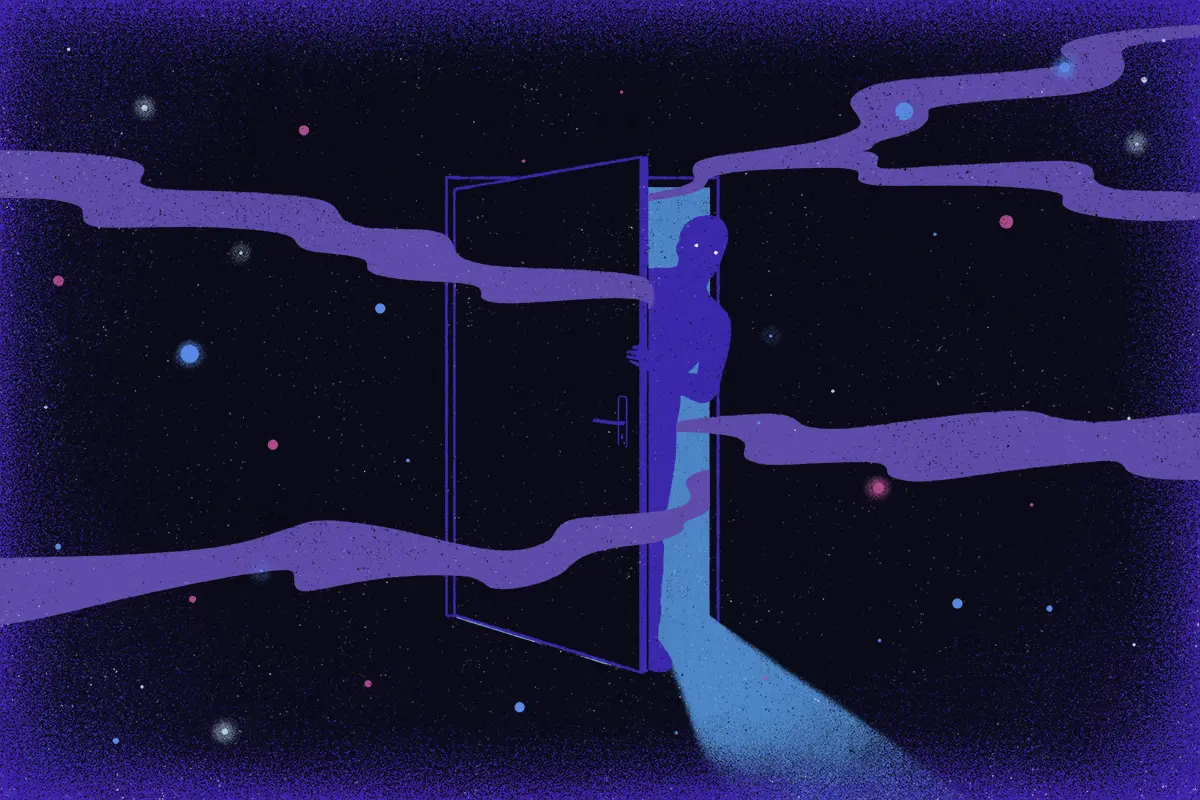
After analyzing 80,000 dreams, he famously said, "Dreams are like small hidden doors into the deepest parts of our souls."[1] He recognized that dreams are potent gateways to the unconscious and offer unparalleled insights into who we are. These insights fuel our personal development for a more fulfilled life if harnessed. Jung's perspective provides a comforting promise. By understanding ourselves through our dreams, we can unlock the ability to sculpt ourselves and our lives.
Jung's Larger Map of the Mind#
To grasp Jung's insights on dreams, we must first understand his broader map of the human psyche. Jung charted the mind's archetypes positively - as wise subconscious expressions. At the center of his map is the "Self," which represents who you truly are. Jung's view of the Self includes your conscious dynamics and the parts you might not know (your unconscious motivations).
Jung further said that the unconscious has two parts: the personal and the collective. Think of the personal unconscious as a vast store of your own latent experiences and emotions.
In contrast, the collective unconscious transcends what only you have experienced. The collective unconscious holds all of humanity's shared experiences, knowledge, and emotions. It forms the foundational structures of our dreams and influences our unconscious motivations. It contains innate, universal concepts deeply embedded in all people's psyches.
Two important aspects are close to the Self: the "Persona," how you present yourself, and the "Shadow," all the characteristics you may not want to admit. Jung also discussed the “Anima” and “Animus,” which represent inner energies. In Jungian psychology, integrating all these components is vital for psychological wholeness, and Jungian dream analysis is one tool to provide insight into how well we are doing.
Jung's Understanding of The Unconscious#
According to Jung in his essay On The Psychology Of The Unconscious, our consciousness is like a ship navigating the sea's surface.[2] Our unconscious is the sea itself and its contents, the current. It shapes our journey in ways that are often way beyond our awareness.
He stressed that the personal and collective unconscious contains hidden resources and treasures. These elements, unseen by our conscious mind, shape the course of our lives.
Dreams are the primary channel through which the personal and collective unconscious communicates with our conscious mind. Through them, we gain access to insights and truths from the depths of consciousness. Which is good since it sheds light on aspects of ourselves we may not consciously recognize.
For Jung, each individual's unconscious and dream symbolism were deeply personal. Dreams were unique artworks influenced by individual experiences, cultural backgrounds, and psychological makeup.
Jung believed that we must learn to understand our unconscious and dreams to cope with the human experience. He even said, "Until you make the unconscious conscious, it will direct your life, and you will call it fate."
The Challenge of Understanding Dreams#
Dream interpretation is tricky because the conscious and unconscious don't speak the same language. Dreams use symbols and emotions, not direct language, making their messages difficult to decipher. That said, the meanings behind dream symbols must make sense to be useful.
Dream interpretation translates metaphorical imagery and emotional narratives into direct language. Helping to unite the unconscious's insightful chaos with the conscious mind's structured logic. As Jung aptly noted, every dream is evidence of the psyche's creative process. It weaves together a tapestry of symbols that reflect the inner workings of the unconscious mind.
Interpreting dreams helps us integrate our unconscious wisdom and insights into our waking lives. Thus, the challenge of understanding dreams becomes a pursuit of self-discovery and personal growth.
The Benefits of Dream Interpretation#
Jung believed that dream interpretation had many benefits. Dreams are amazing at helping you monitor your health. They could provide warning signs and clues to underlying physical or psychological issues.[3] He believed dreams could reveal potential dangers - guiding us to better health and promoting self-care.
Additionally, Jung thought that dream interpretation was a critical tool for creating a more integrated Psyche. For him, dreams were like puzzle pieces to be connected, making one feel more balanced and whole. Dreams also served a problem-solving role, offering clues and solutions and helping us make better decisions.
Exploring dreams can spark your imagination, inspiring new ideas and ways of thinking that can be creative and exciting. He believed you could ignite your creative process by exploring their rich symbolism. Some examples inspired by dreams include Jung’s work itself, the arrangement of the periodic table, and even the novel Dr. Jekyll and Mr. Hyde.
But Jung didn't leave us in the lurch to figure them out ourselves. He gave us nine rules of dream interpretation to help us along:
- Treat dreams as facts. They are subjective facts to be used for self-understanding.
- Embrace dream ambiguity. Humility and deep exploration are essential due to the blurry nature of dreams.
- Work to mutual agreement. Dream interpretations are only valid if both the dreamer and interpreter agree on the meaning.
- Stay open to new theories. Flexibility and openness to new dream theories lead to a more nuanced understanding.
- Analyze dream images closely and carefully for accurate interpretation.
- Value the dream series. Dreams in series provide a broader understanding and reveal patterns over time.
- Take dreams seriously. Recognize the value of dreams and their potential for personal growth.
- Understand the conscious context of the person's waking life for deeper understanding.
- Explore mythology and archetypal images to deepen your understanding of dreams.
Big Dreams and Compensatory Dreams#
In his impactful work, Man and His Symbols, Jung divided dreams into two main types classified according to which subconscious they came from: namely, Big dreams and compensatory dreams.[4]
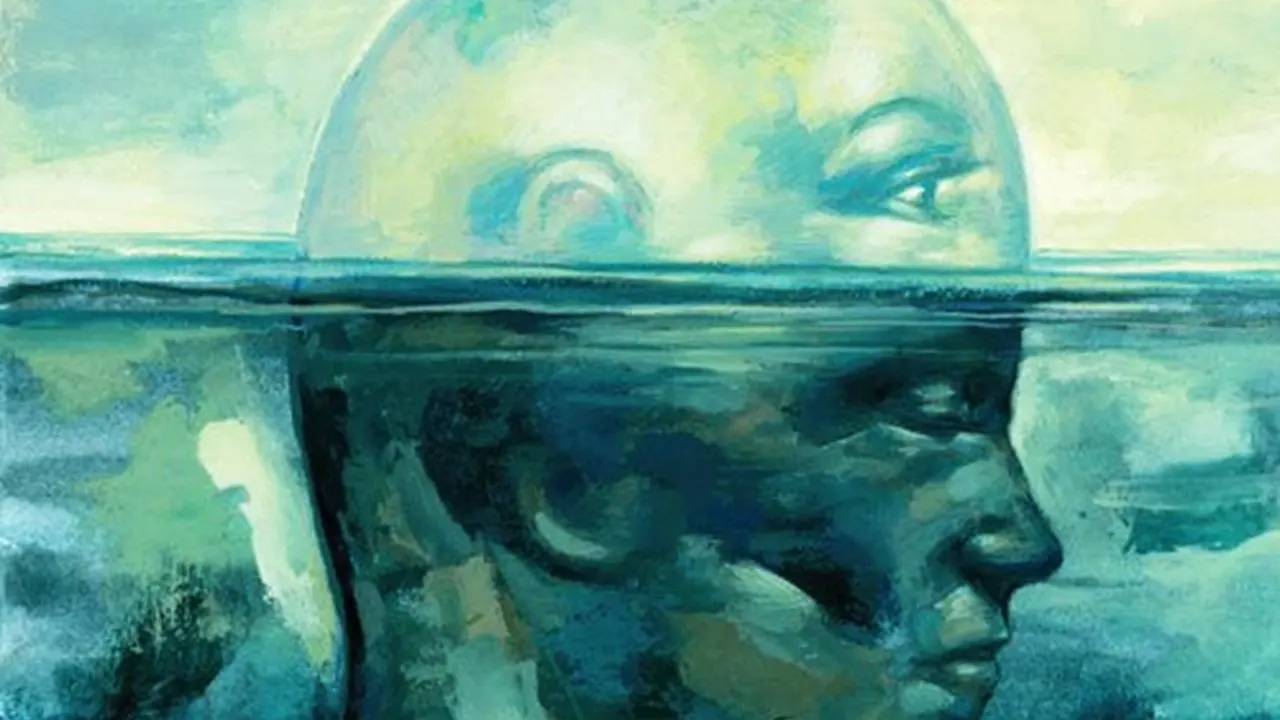
Big dreams come from the collective unconscious. They address universal human challenges and offer profound universal truths. "Big Dreams" are memorable and transformative experiences that can alter one's worldview. They are spiritual revelations and existential overhauls. Big Dreams catalyze drastic personal growth and self-transformation, leading individuals toward greater fulfillment. Unfortunately, they are extremely rare. If you're having Big Dreams, embrace them. Let them broaden your sense of belonging and understanding of the world beyond yourself.
Compensatory dreams come from the personal unconscious. These dreams correct the conscious mind when it strays. They reveal overlooked aspects of the dreamer, shedding light on bad attitudes or behaviors. We must identify and address imbalances in our psyche to interpret compensatory dreams. We do that by diving into the rich symbols and emotions of the dream content. Additionally, we can explore related memories and intuitions (a.k.a. dream amplification) to guide your dream exploration. The goal is to use these meanings to bring balance and harmony to our thoughts and actions. A dream journal can be very useful for compensatory dream interpretation as it enables you to reflect on them when you are more awake. Ultimately, interpreting compensatory dreams offers a way to integrate different aspects of ourselves into a more healthy sense of self.
Conclusion#
Carl Jung's secret to dream interpretation came from an over 50-year career spent diligently embracing both the mystery and utility of dreams, believing they are essential for unlocking our minds' fullness. Throughout his work, he maintained that dreams and the access they give us to the deepest recesses of our psyche are essential for growth. By understanding and interpreting our dreams, we gain insights into our fears, desires, and psychological dynamics and a wealth of wisdom to enrich our lives.
If you want to start interpreting your dreams, check out our tools and guides in the Oniri App.



出典・参考文献
この記事は、公開された研究や査読付きの論文、信頼できる書籍をもとに書いています。もっと知りたいときは、下の参考文献をのぞいてみてください。
[1]Memories, Dreams, Reflections
Jung, C. G., et al. · 2019
William Collins
[2]On the Psychology of the Unconscious
Jung, C. G.
Two Essays on Analytical Psychology (PDF)
[3]Dream-work in psychotherapy: Jungian, post-Jungian, existential-phenomenological, and cognitive-experiential approaches
Caperton, W. · 2012
Graduate Journal of Counseling Psychology, 3(1)
[4]Man and His Symbols
Jung, C. G.
Internet Archive (PDF)

Written by
Founder of Oniri
Jean-Baptiste founded Oniri and researches dreams, lucid dreams, creativity, and AI. He collaborates with the Sleep and Cognition Neuroimaging Laboratory in Geneva and is invested in different studies about lucid dreams and the intersection of dreams and AI, including a paper in the Journal of Sleep Research on cathartic dreams.
Share this article